The use of QR codes for healthcare delivery and education is increasingly becoming essential for improving healthcare outcomes.
Patients and medical professionals alike view the use of QR code technology in the field positively, as evidenced by multiple studies published by the National Library of Medicine, Sage Journals, and ScienceDirect.
Given how easy it is to generate free QR codes, medical institutions use them to improve patient care, staff and workflow management, and awareness-raising.
In this blog, we’ll look at seven ways to use QR codes to improve services and education in the healthcare industry.
Table of Contents
How are QR codes used in healthcare?
There are various applications of QR codes, particularly in the healthcare setting. Some of them are listed below:
1. Digital patient appointment
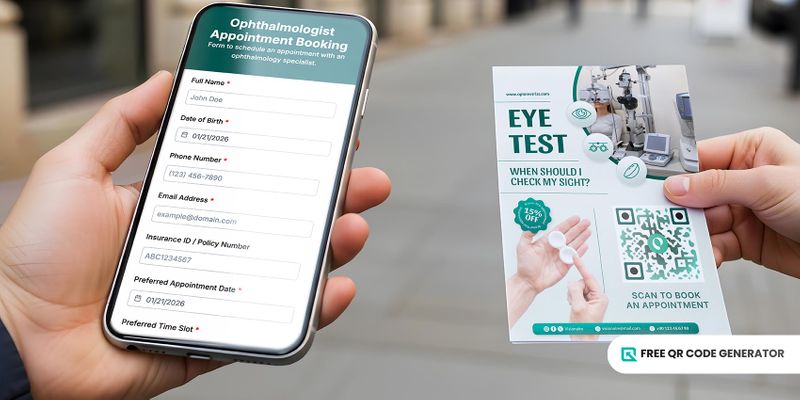
Outpatients no longer need to visit hospitals or clinics to schedule an appointment in person.
Healthcare facilities and providers can make it convenient by allowing patients to register online by letting them scan a QR code for appointment form access.
The forms can be designed in detail so patients can check available consultation dates as they fill them out.
2. Patient QR code wristbrands
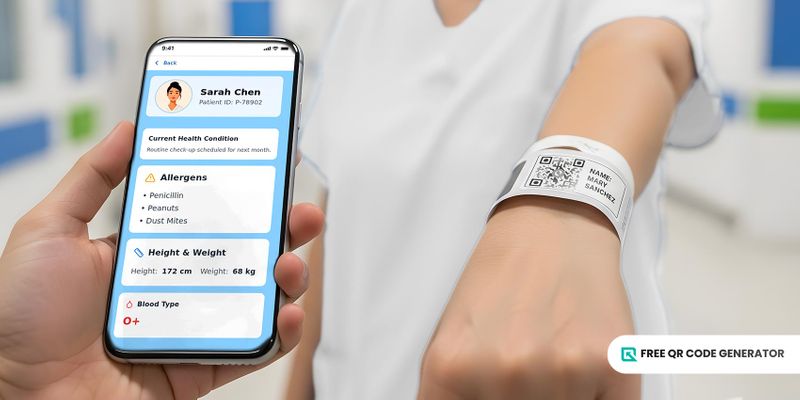
For better patient management and monitoring, health bracelets with QR codes are a useful aid for all medical personnel during rounds.
A PDF QR code containing the patient's details, such as electronic health records, allergies, blood type, emergency contacts, current medications, and recent lab results, will enable healthcare providers to deliver the best possible treatment.
3. Prescription instructions or verification
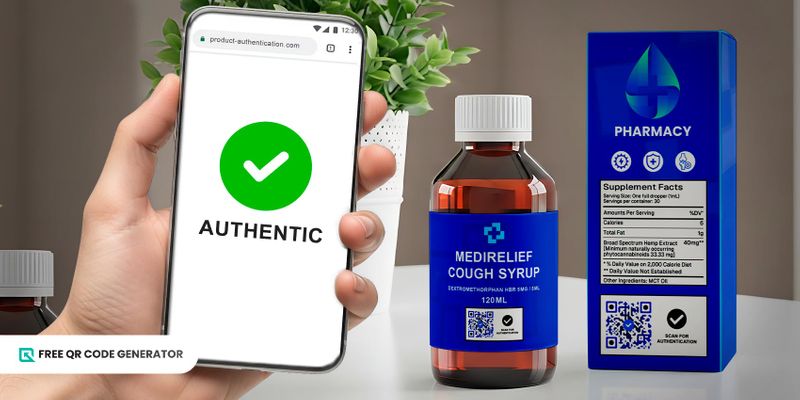
In some countries, providing a patient information leaflet (PIL) is legally required to ensure transparency about the medicines or treatment procedures a patient will undergo.
Medical QR codes on prescription medicines have been very useful, especially in fighting off counterfeit medication.
But more than that, healthcare companies and professionals can use these QR codes as guides or instructional materials for medication intake. A study published on ScienceDirect found that pharmacists preferred ePILs and noted the ease of creating QR codes for them.
Verbal instructions are easy to forget, so having them in digital format is much safer. And it's easier to scan the QR codes for medical practices and the proper procedure, which they can check out anytime.
4. Verification of medical ID tags
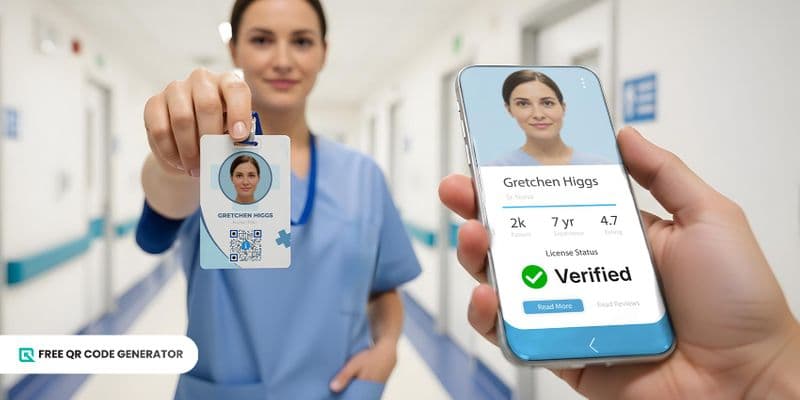
The quality of patient care that medical staff provide is crucial, especially since they handle lives. In the same juncture, it’s important to ensure that only licensed professionals get to perform the job.
You can add a health QR code to your staff ID or to any related personnel at the medical institution, so patients or visitors can verify whether they are transacting with a legitimate staff member or check their credentials, building more trust for any upcoming procedures.
One notable use case of this is India’s “Know Your Doctor.” It’s a platform that is supported by the Maharashtra Medical Council (MMC) to combat fake practitioners. Patients can scan a doctor’s QR code on their medical ID tags to verify their records in the system.
5. Mental health & telemedicine
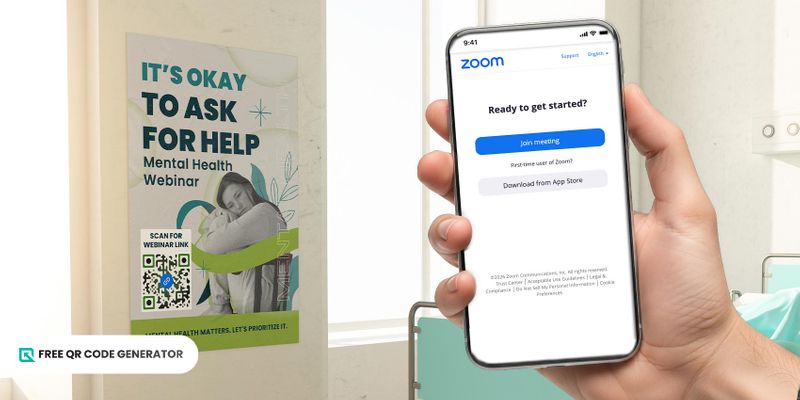
Sharing a vCard QR code with patients is an efficient way to provide them with telehealth access, such as crisis hotlines or hospital numbers.
It can also share clinic numbers or medical doctors’ contact details if patients want an exclusive, personal check-in.
Apart from calls, it can include Zoom links for webinars, where explanations and discussions can be given clearly.
6. Public health and awareness
The conventional way of providing awareness was through the reproduction of flyers or posters.
But the world is no longer in that phase alone anymore; pairing them with digital tools like QR codes for healthcare education makes them more effective.
A QR code on a poster can lead people to hospital websites or clinic portals with the latest data on possible outbreaks, health campaigns, and updated advisories or guidelines.
A study published by the National Library of Medicine found that using QR codes in healthcare education increases participant engagement, learning, and training by linking them to relevant resources.
Dr. Warren C. Hayes, a family medicine provider based in Red Oak, Iowa, also developed QR codes with common information on health issues to educate and entertain patients. This lets his patients access the information easily.
7. Healthcare facility navigation
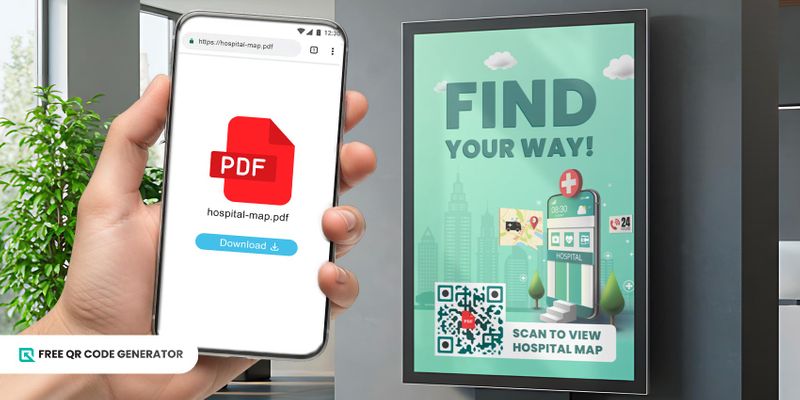
A Google Maps QR code helps patients, visitors, and medical staff navigate the building, reducing the need for front-desk inquiries.
It’s an efficient way to guide people to locate entrances, emergency exits, the cafeteria, the chapel, and, most importantly, lab rooms without the need to print multiple map posters.
QR codes can also be shared online, so anyone planning to visit can preview the facility in advance.
How to create a free medical QR code?
1. Go to Free QR Code Generator website.
2. Choose a free QR code solution.
3. Add the required data to proceed, then click “Generate” to create your basic QR code.
🌟 Pro Tip: To generate a more advanced type of QR code, click the “Edit and track your scan data” button. Sign up and choose a QR code solution to try.
4. Proceed to customize QR code design (i.e., eyes, frame, patterns, etc.)
5. Download your QR code, and it’s good to share.
Real-life use cases of QR codes for healthcare
QR codes have gained various uses across different healthcare settings, and these real-world use cases prove how valuable they are to the industry:
Boston Children’s Hospital’s Zoom QR code
To mitigate the risks of infection from in-person patient visits during the pandemic, Boston Children’s Hospital used QR codes for online consultations via Zoom.
The hospital provided a Zoom QR code, and each patient or audience member was given a specific password. Doing so ensures that all those who joined the meeting are actually invited, or that the one being consulted is.
Health QR code by the Tuscany section of FIMP
In 2020, the Tuscany section of the Italian Federation of Paediatricians distributed a QR code for a questionnaire.
It aimed to gather information from paediatricians in the following categories: participants’ characteristics, access to outpatient paediatric clinics, paediatricians' behaviour, and parents' adherence to paediatric vaccinations.
When participants scan the QR code, it opens to 14 questions that can be answered in 10 minutes. This approach has helped the institution to gather answers in the most convenient and cost-effective manner.
CarePoint Health, Hudson County, N.J
The healthcare management service provider, CarePoint Health, used a QR code system to let people request environmental services instantly.
When the QR code is scanned, it will direct users to an environmental services portal, where they can enter the room location, the job to be done, and leave a comment. After filling it out, it notifies the nearest environmental services team in the area.
This QR code is not limited to clinicians. Patients and visitors can also make requests, which ensure cleanliness in all areas, all the time.
The future of QR codes in healthcare
The use of QR codes in healthcare is not a new move, but it is bold and has contributed positively to the industry over the years.
Considering how various medical institutions have ingeniously used QR codes, it only proves that QR codes are more than just medical uses; they can branch out to education and management.
Take the first step today and see how our free QR code generator with logo integration helps you create QR codes for your healthcare services and workflows.
Frequently asked questions
Is a QR code mandatory for medicine?
Some countries, like India and those in the European Union, legally require QR codes on medicine packaging, mainly to combat counterfeit medicines, enhance the dissemination of patient information, and secure the medical and pharmaceutical supply chain.
What is a QR code for patient identification?
A QR code for patient identification holds the important details about the patient, such as their name, date of birth, and health records. This helps medical professionals accurately identify patients and provide sound treatment.